
Local news
Labor and Community Coalition Qualifies Historic $30 Minimum Wage Measure for Alameda County Ballot
Voters across Oakland, Berkeley, and Tri-Valley to consider phased wage standard aimed at matching Bay Area regional living and housing expenses.
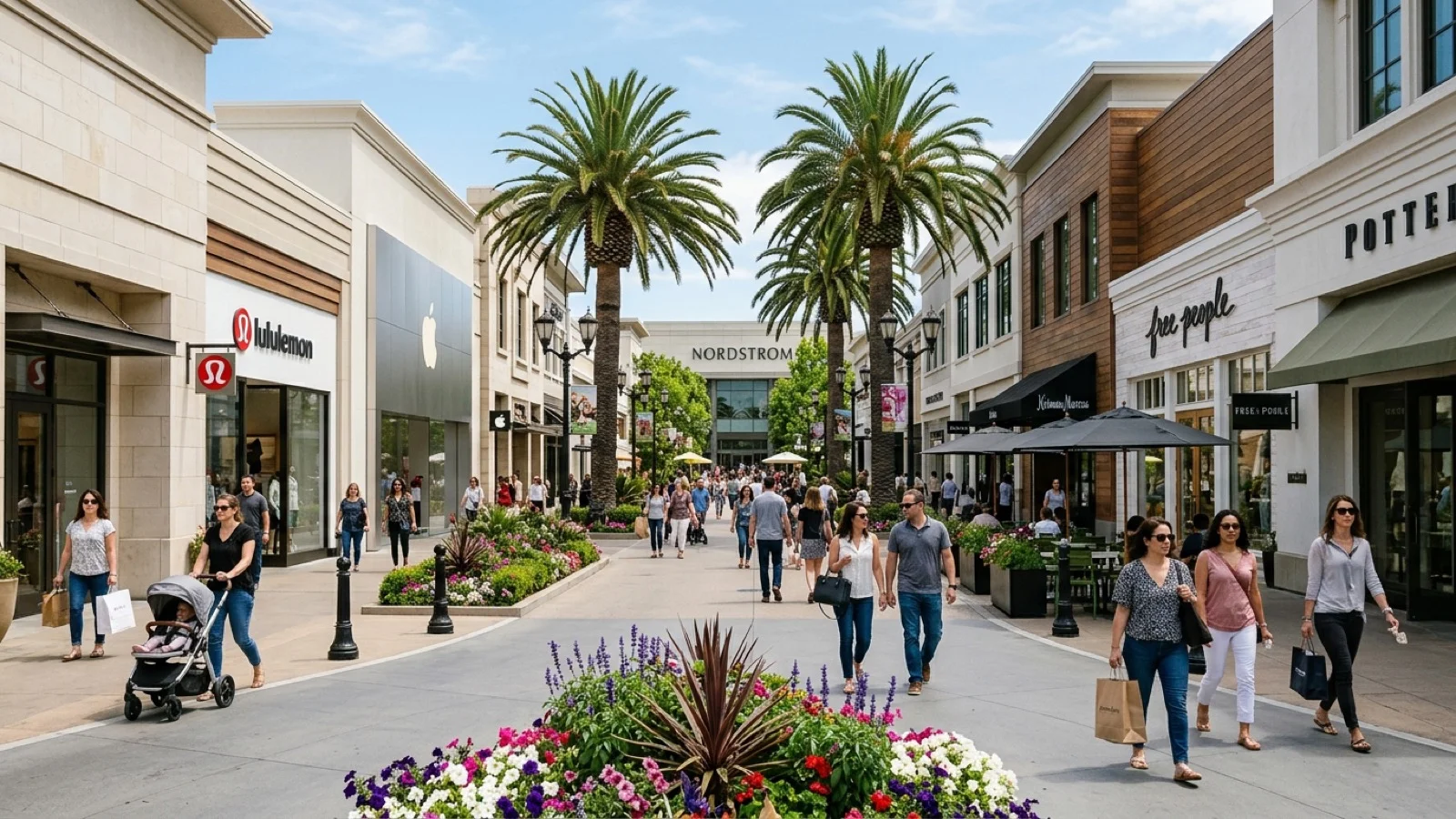
County election officials confirmed on Wednesday that a coalition of labor unions, healthcare workers, and community advocacy groups submitted more than 75,000 verified voter signatures, successfully qualifying a landmark $30-per-hour minimum wage initiative for the upcoming Alameda County ballot. If approved by voters, the citizen-led measure would establish the nation's highest baseline wage threshold across incorporated and unincorporated communities from Berkeley to Pleasanton.
Proponents of the ballot initiative contend that the phased wage increase is essential to enable essential service workers, retail clerks, and municipal caregivers to afford rising residential rents and groceries across the East Bay. Economic analyses submitted alongside the ballot measure indicate that over 140,000 hourly workers in Alameda County currently earn less than the proposed threshold, forcing many to work multiple jobs or commute extended distances from Central Valley communities. Campaign organizers emphasized that the proposal includes gradual multi-year implementation tiers and special compliance timelines for small independent businesses with fewer than twenty-five employees.
Regional chambers of commerce and restaurant associations expressed reservations regarding the economic proposal, cautioning that rapid statutory wage escalation could accelerate operating costs for independent dining establishments and small retail venues. Business leaders pointed out that suburban municipalities like Pleasanton, Dublin, and Livermore must balance wage protections with regional economic competitiveness relative to neighboring Contra Costa and Santa Clara counties. Economic researchers at regional universities have begun preparing independent fiscal impact models to project potential effects on municipal tax receipts and local employment levels.
Civic discourse over the ballot measure is anticipated to feature prominently across municipal debates, civic club forums, and merchant town halls leading into the election cycle. Community organizers have already scheduled neighborhood canvassing drives and workplace informational sessions to educate hourly workers regarding their prospective rights under the proposed statute. County election coordinators confirmed that official voter information guides will feature detailed nonpartisan fiscal analyses and formal arguments from both sponsoring coalitions and opposing merchant federations.
Voters throughout Alameda County can review full initiative text, qualified ballot summaries, and voter registration deadlines by visiting the official elections portal at acvote.alcogov.org. The Registrar of Voters will mail official sample ballot pamphlets containing complete ballot arguments and impartial financial analyses to all registered county households thirty days prior to election day.
Comments (0)
No comments yet. Be the first to share a thought on this story.